

Common Workplace Barriers for Deaf Employees
Discover common workplace barriers for deaf employees and how accessible systems, tools, and habits can remove obstacles and support real inclusion.

How to Request Workplace Accommodations as a Deaf Employee
Learn how Deaf employees can request workplace accommodations to gain equal access, improve communication, and support safety, training, and growth.

ADA Requirements for Workplace Accessibility Explained
Learn ADA requirements for workplace accessibility so your business can remove barriers, support employees, and build a more inclusive workplace.

How Employers Can Support Deaf Workers
Learn how employers can support deaf workers with practical accessibility steps that improve hiring, communication, management, and retention.

Communication Tips for Deaf and Hearing Coworkers
Improve workplace accessibility with practical communication tips for Deaf and hearing coworkers that help teams share information clearly every day.

Top Workplace Accommodations for Deaf Individuals
Discover top workplace accommodations for deaf individuals that improve communication, meeting access, and job success for equal opportunity at work.

How to Create an Inclusive Workplace for Deaf Employees
Create an inclusive workplace for deaf employees with practical ways to improve access, communication, and equal participation every day.

Workplace Accessibility for Deaf Employees: A Complete Guide
Workplace accessibility for deaf employees made clear: learn practical steps, legal basics, and fixes that help teams communicate and thrive.

How to Build an Accessibility-First Mindset
Build an accessibility-first mindset from day one to create websites, apps, and services everyone can use—better usability, reach, and trust.

The Importance of Universal Design in Accessibility
Discover why universal design is key to accessibility, creating products and spaces that work better for everyone from the start.

Examples of Accessibility in Everyday Life
Discover examples of accessibility in everyday life and see how inclusive design makes places, products, and information easier for everyone to use.
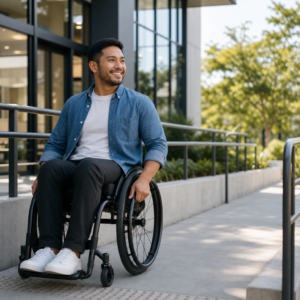
How Accessibility Improves Quality of Life
Discover how accessibility improves quality of life by removing barriers in daily life, making spaces, services, and opportunities easier for everyone.
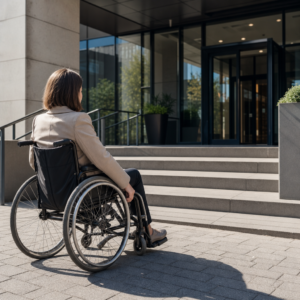
Common Barriers to Accessibility (and How to Fix Them)
Common barriers to accessibility can block real users. Learn practical fixes to remove preventable obstacles and create more inclusive experiences.
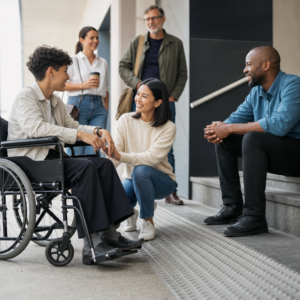
Why Accessibility Is a Human Right
Accessibility is a human right: remove barriers in buildings, websites, travel, learning, and communication so everyone can participate fully.

Accessibility vs Inclusion: What’s the Difference?
Accessibility vs inclusion: learn the key difference and design products, workplaces, and services that remove barriers and truly welcome everyone