
Common Mistakes Allies Make (and How to Avoid Them)
Avoid common allyship mistakes and learn practical ways hearing people can support Deaf and hard of hearing people with respect and action.

How to Advocate for Deaf Rights as a Hearing Person
Learn how hearing allies can support Deaf rights by centering Deaf leadership, access, and equality, and take respectful action that matters.

Do’s and Don’ts of Being a Deaf Ally
Learn the do’s and don’ts of being a deaf ally and support Deaf, deaf, and hard of hearing people with respect, action, and everyday inclusion.

Simple Ways to Support Deaf Inclusion
Support deaf inclusion every day with simple actions that improve communication access, respect Deaf culture, and reduce barriers everywhere.

What Is Deaf Allyship? A Complete Guide
Learn what Deaf allyship means and how hearing people can respect Deaf culture, support communication rights, and help remove everyday barriers.

How Hearing Individuals Can Be Better Allies to the Deaf Community
Learn how hearing individuals can be better allies to the Deaf community through listening, access, and action that support inclusion and respect.

Understanding Your Legal Rights in Public Spaces
Understand your legal rights in public spaces, from stores to government buildings, and learn what protections the law gives you every day.

How ADA Laws Apply to Schools and Universities
Learn how ADA laws apply to schools and universities, so students can access admissions, programs, and support without unfair barriers.

What Businesses Must Do to Be ADA Compliant
Learn what businesses must do to be ADA compliant and avoid discrimination, reduce legal risk, and build a more accessible customer experience.

Legal Rights to Captioning and Communication Access
Learn your legal rights to captioning and communication access so you can get equal access in school, work, healthcare, media, and public life.
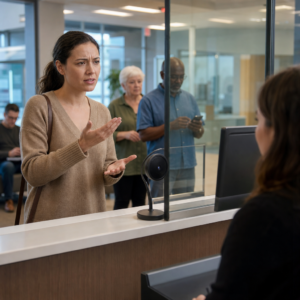
Common ADA Violations Affecting the Deaf Community
Learn the most common ADA violations affecting the deaf community and how to spot barriers to effective communication and equal access fast.

How to File an ADA Complaint for Accessibility Violations
Learn how to file an ADA complaint, report accessibility violations, and take clear steps to protect your rights under the Americans with Disabilities Act.

Understanding Reasonable Accommodations for Deaf Individuals
Understanding reasonable accommodations for deaf individuals and learn how simple changes remove barriers, improve access, and protect equal rights.

When Are Interpreters Required by Law?
When are interpreters required by law? Learn when public services, courts, healthcare, work, and schools must provide language access.

ADA Title I, II, and III: What They Mean for Deaf Access
Understand ADA Title I, II, and III and what they mean for deaf access at work, in services, schools, healthcare, transportation, and public life.